Child nutrition in the Dominican Republic remains one of the most important factors shaping children’s health, education, and future opportunities. Every child deserves the chance to grow, learn, and dream. Yet for thousands of children in the Dominican Republic, that opportunity is compromised long before they enter a classroom—not because of a lack of potential, but because they do not have enough nutritious food.
Child Nutrition in the Dominican Republic – The double burden of malnutrition
Despite the progress that the country has made in reducing hunger over the past decades, nutrition remains an ongoing challenge for thousands of children. Today, the country faces what nutrition experts call the “double burden of malnutrition“—where undernutrition and micronutrient deficiencies exist alongside increasing rates of overweight and obesity. This means that while some children do not have enough nutritious food to grow and develop properly, others consume enough calories but lack the vitamins, minerals, and balanced diets needed for healthy development.
According to UNICEF and the World Food Programme, chronic malnutrition (stunting) still affects approximately 6–7% of children under five in the Dominican Republic. Around 11% of babies are born with low birth weight, putting them at greater risk of developmental delays from the very beginning of life. Iron-deficiency anemia remains common among young children (around 28%) and pregnant women, while childhood overweight and obesity continue to rise, with nearly one in three households being affected.
The reasons behind poor nutrition are complex
Poverty remains one of the strongest drivers, accompanied by the rising food costs, unequal access to healthy foods, climate-related shocks, and limited nutrition education continue to make balanced diets difficult for many vulnerable families.
Child Nutrition is about much more than preventing hunger
The first years of life are the foundation for lifelong health, brain development, emotional wellbeing and academic success. During pregnancy and throughout early childhood—particularly during the first 1,000 days—good nutrition is crucial since the brain develops at an extraordinary pace. Without adequate nutrition, children are at greater risk of delayed physical growth, weaker immune systems, poorer academic performance, and long-term challenges in learning, memory, and emotional development. Many of these effects can last well into adulthood.
For children who have experienced neglect, poverty, or food insecurity, access to regular, nutritious meals can be life-changing.
How our food and nutrition programme at NPH Dominican Republic helps Igans grow
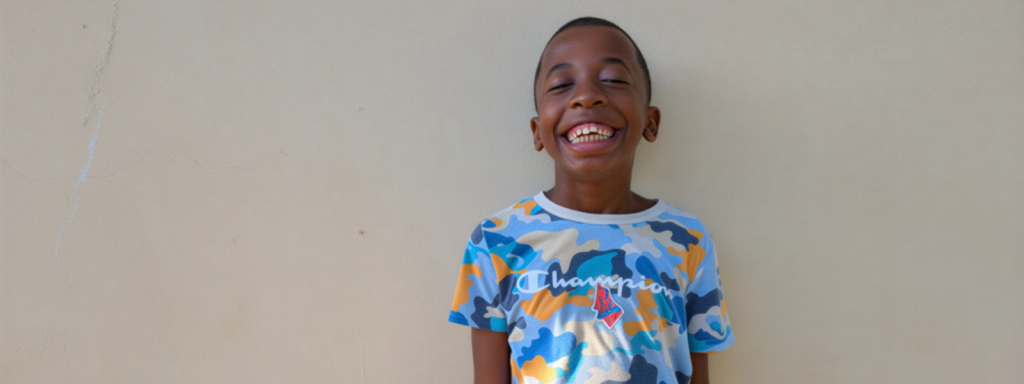
12-year-old Igans knows what it means to experience uncertainty around food. Like many children who arrive at NPH after living in situations of poverty or neglect, he had gone through periods of hunger and irregular meals. For a growing child, those experiences can leave lasting effects—not only physically, but emotionally as well.
Today, Igans begins each day differently. He starts every morning with a healthy breakfast and receives three balanced meals every day. Proper nutrition gives his body the nutrients it needs to grow, strengthens his immune system and supports his learning. His favorite foods are fresh mangos, avocados, and plantains – many of them grown at the farm inside of NPH.
Healthy food – a investment in the future for every child
The Dominican Republic has made important strides in improving child nutrition, but the work is far from over. At NPH, every meal served is part of investing into our children’s future. Because every child deserves more than enough to eat—they deserve the opportunity to grow into the healthiest, happiest version of themselves. And every bright future begins with a full and nourishing plate.