Since 1984, the World Health Organization (WHO) has defined health as a state of complete physical, mental and social well-being, not merely the absence of disease or infirmity.
Health in Honduras
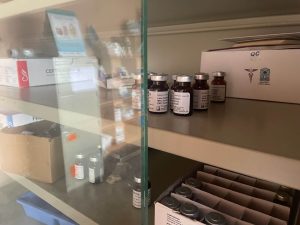
Public hospitals suffer from a chronic lack of medical supplies, basic medicines and salary delays that trigger constant trade union protests.
The system is divided. The Secretariat of Health (SESAL) covers 60% of the population, the Honduran Institute of Social Security (IHSS) 12%, and a significant percentage of Hondurans face access barriers or must turn to the private sector. There is a historical lag in hospital construction and overstretched capacity for care.
The leading causes of death are cardiovascular disease (about 29%), malignant tumors (22%), diabetes and cirrhosis. Dengue fever, malaria, and Chagas remain endemic and represent recurring threats, especially in rainy seasons. Tuberculosis remains a high incidence, mainly affecting the departments of Cortés, Francisco Morazán and Atlántida. Chronic malnutrition and iron deficiency severely impact a high percentage of Honduran children.
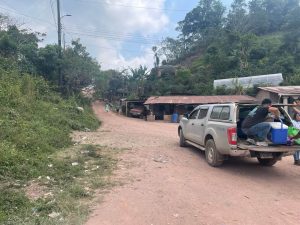
Although we live in the “Information Age” and there are many technological advances, the health issue remains alarming in Honduras. Modernization is concentrated in urban areas leaving little or no resources to rural areas.
Rural areas where residents must travel from 30 minutes to hours on foot or by transport to reach a health centre and receive medical care; Some rural families, lacking the cash to attend a medical appointment, prefer to endure the pain, even if it is unbearable.
Realities in rural families
In some rural families, they consider it “normal” that their daughters, aged between 9 and 12, marry a man and take them to live with him, even if they mistreat them, representing a mouth less to feed and care for at home, especially in households with 4 or more children.
One of the biggest challenges is to change the mentality in people who normalize situations of vulnerability that happen within the family, affecting the mental health of children as they grow up seeing attitudes and actions of physical abuse, verbal and economic that if they did not have intervention would be replicated in their own homes, this time not as victims but as victimizers.
I have to be careful not to get my picture taken because the bad guys might find me and hurt me.
Residential care child.
What can be done?
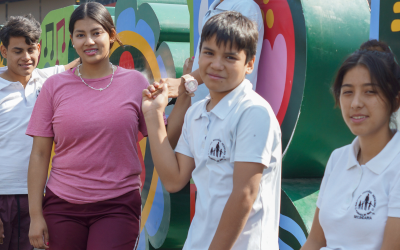
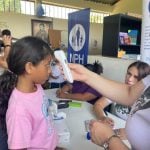
Direct and indirect intervention is needed to change the mentality and reality of present generations, for a better future. NPH Honduras intervenes through the youth empowerment programs Chicas Poderosas and Hombres de Honor that promote values and self-esteem in children of communities near Rancho Santa Fe, Centro Familiar San Francisco de Asís and Centro Familiar San José.
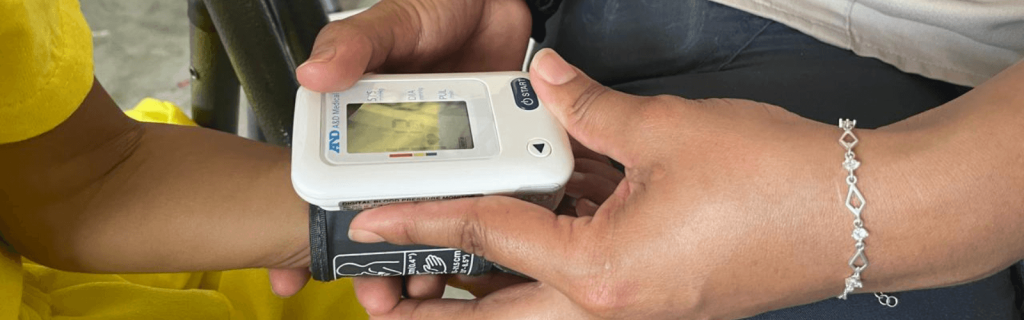
Where medical brigades also take place, Early Stimulation for infants who require it, Tutoring, Healthy Eating, Residential Care (at Rancho Santa Fe) in a safe and fraternal environment where they can turn their trip around to change the path that their parents repeated from their grandparents.
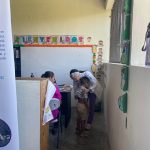
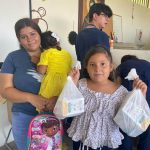
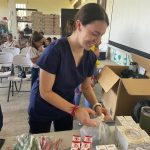
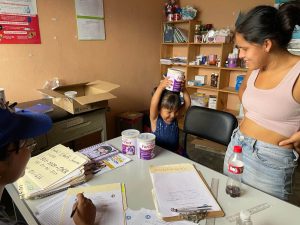
This is the first medical brigade that comes to Talanga in 8 years, here it’s needed a lot – don’t they bring something for parasites?
Mother in medical brigade, Talanga.
Breaking the cycle is not easy, but also not impossible if there are people willing to change their reality by taking the hand of those who show the way to a new future full of hope, this is what characterizes Casa Mi Esperanza where children who arrive do not become equal.
When you hear about the alarming physical, mental and social health situation that most Hondurans in rural areas are experiencing – for example, that children under 15 years old are the group most affected by dengue fever – the first thing that comes to mind is what can I do?
When we know the social context of families in rural areas at that time, we understand that the first well-being to be taken care of is mental health, to make children and adults aware of the importance of health, both receiving quality health care and helping to make this human right attainable for everyone everywhere.
The question is: will we continue to read news or intervene to improve the future of people who lack the resources to do so on their own?