The move on August 13 from Miacatlán to Casa Buen Señor marked a turning point for NPH Mexico.
A change of this magnitude naturally raises many questions. Below, we answer some of the most frequently asked questions about this process: why the change took place, how the children and youth were prepared, and what this new model means for their well-being and development.
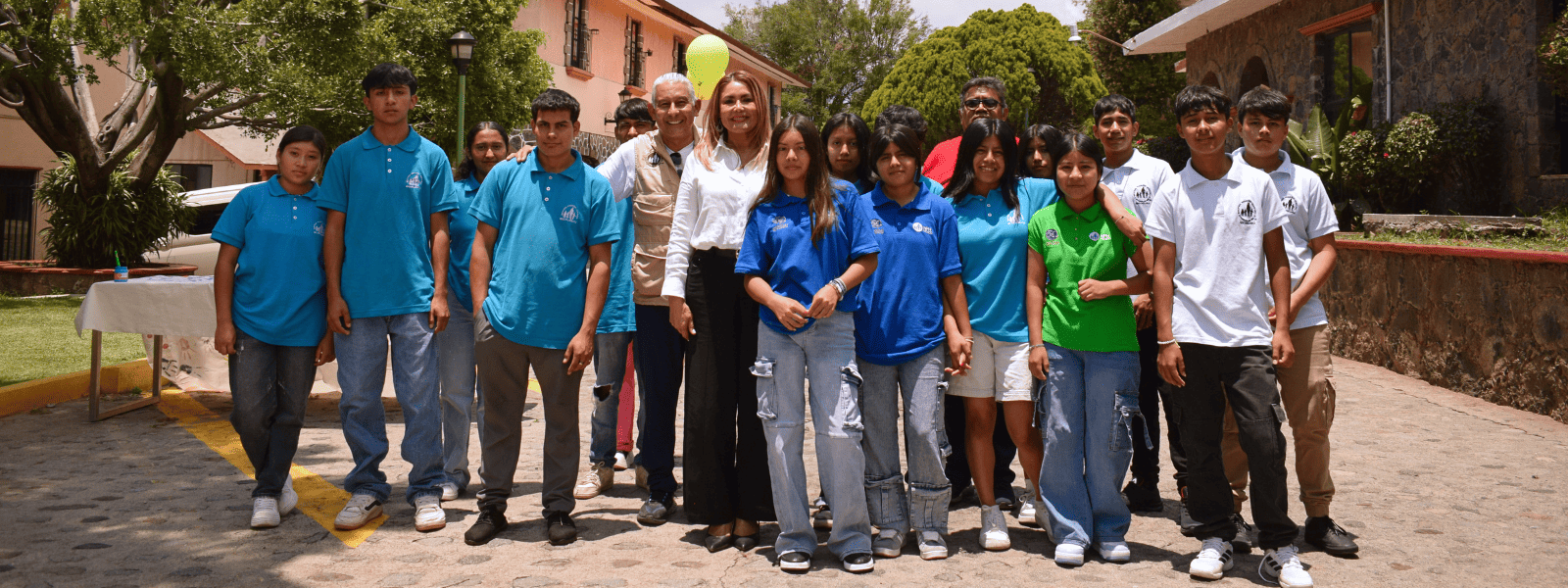
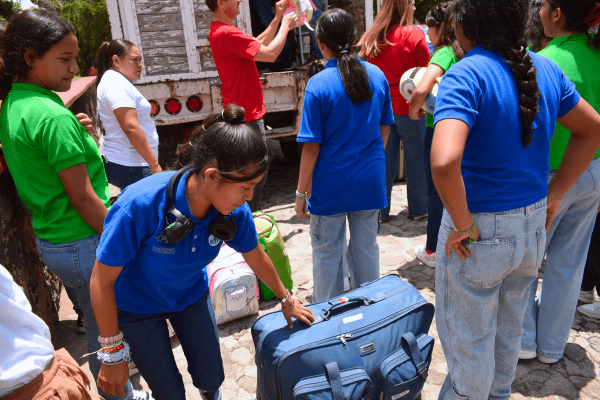
Young people from NPH Mexico posing during the moving from Miacatlán to Casa Buen Señor.
The Change and the New Care Model
1. Why did NPH Mexico move the children from Miacatlán to Cuernavaca?
The move responds to changing regulations and requirements, as well as the aim of providing children and young people with a more family-like living environment. The new model allows them to live in smaller groups and receive more individualized care.
2. Why was the move an important moment for NPH Mexico?
The move represents an important transition from the Hacienda in Miacatlán to Casa Buen Señor in Cuernavaca and a new model of care for the children and young people.
3. What is the “quasi-family” model?
It is a model designed to provide a more family-like environment. Children and young people live in smaller groups, allowing for closer accompaniment and more personalized attention.
4. Why are smaller living groups important?
Smaller groups create a more integrated environment and make it possible to provide more personalized, individualized care to children and young people.
More personalized and attentive service
5. How will the new model improve the care children receive?
The new model allows the interdisciplinary team to identify each child or young person’s specific needs and abilities and provide support according to their individual circumstances.
6. How will the interdisciplinary team support children under the new model?
The interdisciplinary team will be able to identify specific needs and individual abilities at an early stage, helping ensure that each child or young person receives the support they need for their development.
7. How could living in a more family-like environment benefit the children?
The new environment is intended to improve daily life together and provide children with closer accompaniment from their educators.
8. What role will educators and caregivers play?
Educators and caregivers will provide closer accompaniment and more personalized attention. The new model is also expected to create a closer relationship between children and their caregivers.
9. Will the move change the sense of family at NPH?
The new setting is intended to strengthen the family environment. Children can continue participating in activities together while benefiting from smaller living groups and closer relationships with those who care for them.
Preparing and Adapting Children
10. How were the children prepared for the move?
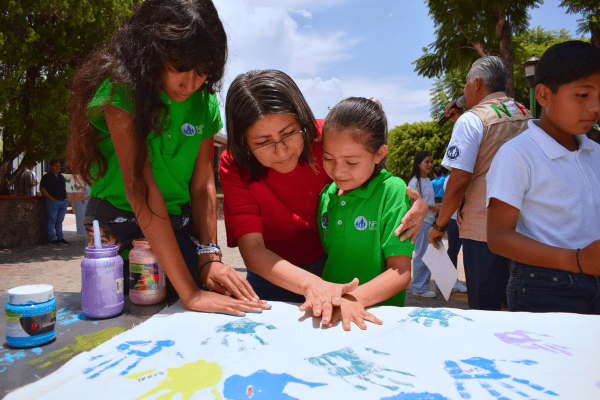
The Clinical Psychology Department worked with the children from October through February, including through a workshop focused on strengthening their self-esteem.
11. What kinds of activities were used to prepare the children?
The children participated in activities that allowed them to explore and write about their personality traits, interests and abilities, while giving them opportunities to express themselves naturally.
12. How are the children adapting to their new home?
During the first days of the transition, the children showed understanding and resilience as they began adapting to an environment that is new and different.
Support During the Transition
13. Why is keeping brothers and sisters together important?
Being close to their brothers and sisters helps give children a sense of security during the transition. Although they may still be thinking about their previous home, they can wake up knowing that their siblings are nearby.
14. What support will children need during the transition?
The children will need consistent, everyday support, including close attention to their school activities, homework and their adjustment to new experiences.
15. What educational changes are the children experiencing?
The transition includes new experiences in public schools. Supporting children with their school activities and homework will therefore be an important part of helping them adjust.
16. What is most important during this period of transition?
Providing children with consistent daily support and taking an active interest in how they experience the change will be particularly important as they settle into their new home and schools.
A New City, New Opportunities
17. How could the move affect everyday life between the children?
Living in smaller groups, with closer support from educators and caregivers, is expected to improve the children’s daily interactions and the way they live together.
18. What opportunities does living in Cuernavaca offer?
The previous home was in a more rural and distant setting. Living in Cuernavaca provides greater access to the opportunities and advantages available in a city.
19. What is the overall goal of the move?
The overall aim is to provide children and young people with a more family-like environment, more personalized care and closer accompaniment, while responding more effectively to their individual needs and supporting their development.
________________________________________________________________________________________
This change represents much more than just a move: it is a step toward a more intimate, personalized, and family-oriented care model for every child and young person at NPH Mexico.
We will continue to support this process with the same transparency and commitment as always.